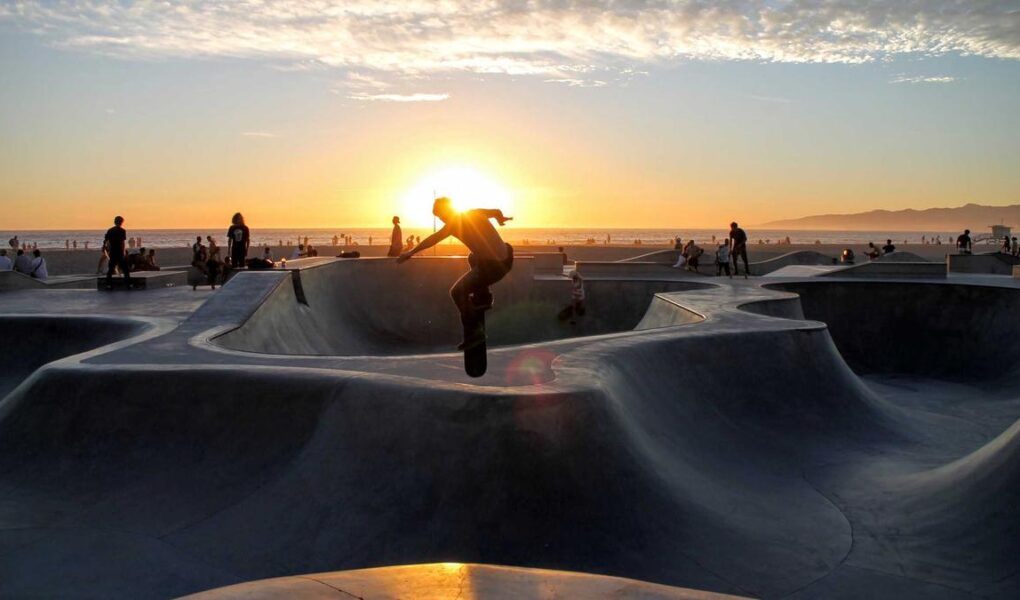
A public square may look impressive in a photograph yet remain empty for much of the day. Comfort depends on small practical conditions: where people can sit, how they cross the space, whether there is shade and what brings them back. Successful squares support movement and staying at the same time. Observing the place across several hours reveals more than evaluating a single design plan.
Watch how sunlight and weather move
A bench that is pleasant in the morning may become unusable in afternoon heat or winter wind. Map shade, glare, puddles and exposed corners at different times and seasons. Trees can provide valuable shelter, but they need suitable soil and long-term maintenance. Canopies and arcades offer alternatives while planting matures. Flexible choices let people select sun or shade instead of forcing everyone into the same condition.
Offer several kinds of seating
People sit alone, in pairs, in groups and beside mobility devices or pushchairs. Combine backed seats, informal edges and movable chairs where management allows. Place some seating near activity and some in quieter positions. Height and armrests affect whether older adults can stand comfortably. Seating should not require a purchase, and defensive features that make rest impossible usually reduce the square’s welcome for everyone.
Keep routes clear and intuitive
Direct walking lines often cut across formal layouts. Observe these desire paths and avoid filling them with obstacles. Entrances should connect naturally to crossings, transit stops and surrounding shops. Deliveries, events and maintenance need planned routes that do not dominate normal use. Clear lighting supports evening movement without creating excessive glare. Accessibility works best when it follows the same convenient route available to other visitors.
Support ordinary daily reasons to visit
Markets, libraries, cafes, play areas and public services can create activity, but a square should also work between events. Drinking water, toilets, litter bins and reliable maintenance encourage longer visits. Small performances and temporary uses can add interest without requiring constant programming. The strongest spaces allow people to meet, wait, eat lunch or simply pass through without needing to understand a special schedule.
A comfortable square responds to time, weather, bodies and everyday routines. Study the space across the day, provide varied seating, respect natural routes and maintain basic services. Grand features may attract attention, but repeated use grows from ordinary comfort. When people can choose where to pause and move easily through the space, the square becomes a dependable part of public life.